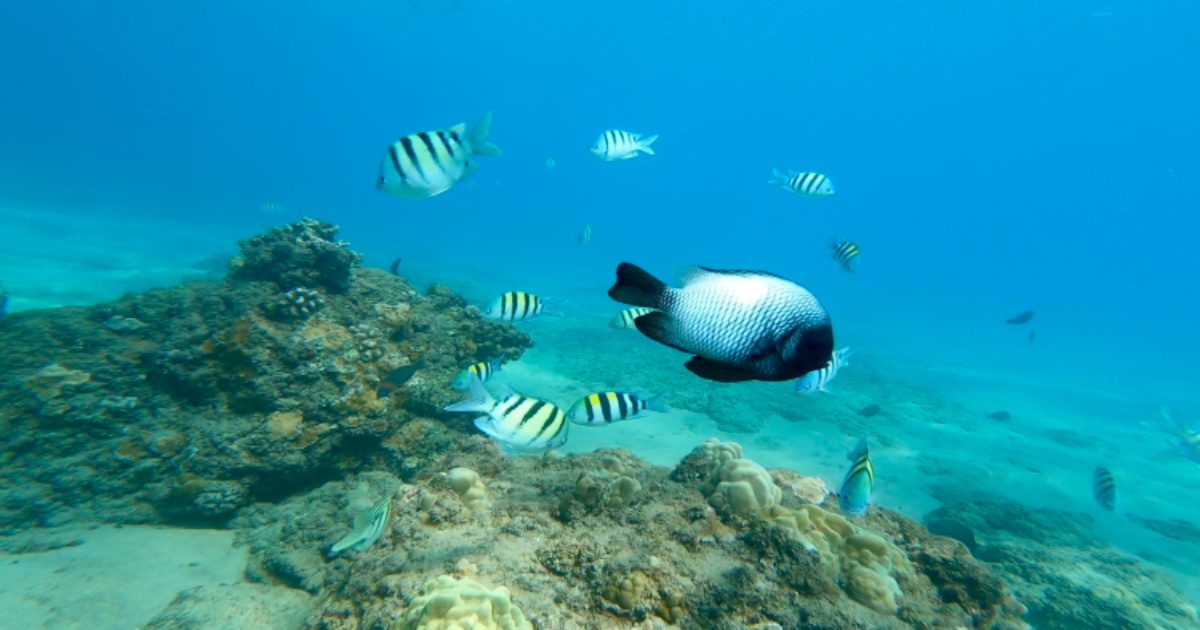
Pu'u Keka'a (Black Rock)
This lava rock point extends into the ocean, creating a natural reef structure that attracts sea turtles and schools of tropical fish.
Stay close to the inner wall to avoid stronger offshore currents.

Ka'anapali Beach consistently ranks as the safest snorkeling destination on Maui, combining year-round lifeguard coverage, protected reef zones, and exceptionally calm entry conditions. This three-mile crescent of sand offers visibility that averages 60 feet and a gradual slope that lets beginners acclimate at their own pace. The beach's northwest-facing orientation shields snorkelers from the prevailing trade winds that churn up other Maui coastlines.
Quick answer
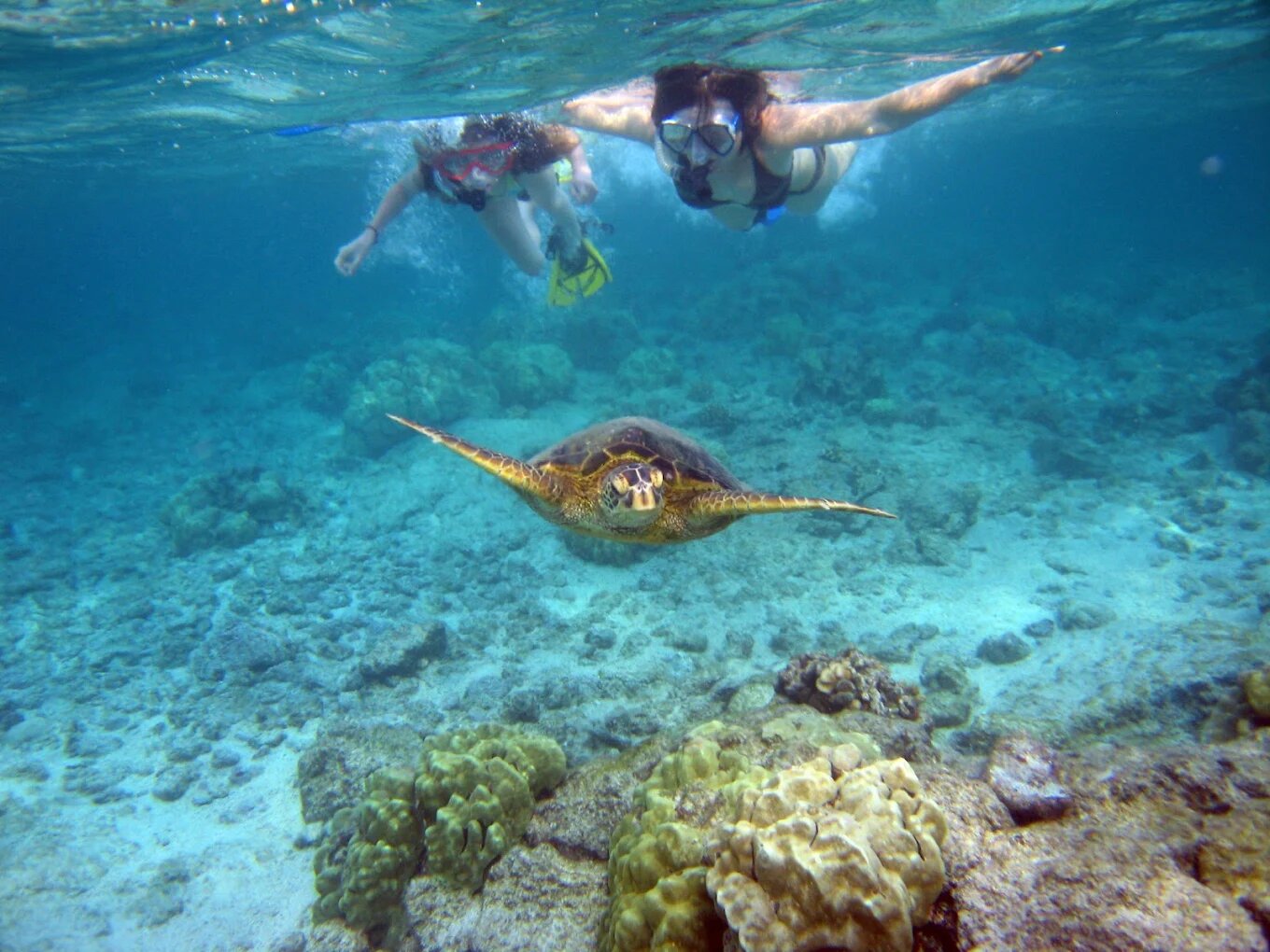
Ka'anapali Beach is widely considered the safest snorkeling in Maui due to its year-round lifeguard stations, protected shallow reef accessible within 30 yards of shore, and gentle sandy entry with no rocks or surge channels. The beach maintains calm conditions most mornings, with water clarity exceeding 50 feet and reef depths between 5 and 15 feet. Unlike remote coves or boat-access sites, Ka'anapali provides immediate emergency services and clearly marked swim zones that separate snorkelers from watercraft traffic.
Ka'anapali Beach holds three lifeguard towers spaced along its 2,800-foot main swimming corridor, a level of supervision unmatched by any other publicly accessible snorkel site on Maui. Each station maintains rescue boards, first-aid equipment, and radio contact with emergency medical services based four minutes away in Lahaina. That infrastructure alone makes Ka'anapali the default recommendation for families with young snorkelers and adults who have never used a mask before. The reef itself runs parallel to shore in a predictable band, starting in water shallow enough to stand and extending to a maximum depth of 18 feet at its outer edge. Green sea turtles forage on the algae-covered lava formations between the Sheraton and Black Rock outcropping, often within arm's reach of swimmers. Parrotfish, yellow tang, and occasional whitetip reef sharks pass through the coral fingers, but the absence of strong currents and the buffer zone maintained by the resort's watercraft exclusion area keep encounters calm and controlled. Snorkelers who stay within the marked buoy line face no exposure to boat traffic or jet skis, a risk present at unregulated beaches further south. Morning conditions between seven and half-past ten deliver the safest snorkeling in Maui, with offshore winds yet to develop and visibility often reaching 80 feet. Afternoon trade winds arrive around noon and generate surface chop that reduces clarity and makes mask clearing more difficult for beginners. Winter swells between December and March occasionally push surf onto the northern end of the beach near Black Rock, but the central and southern stretches remain protected even during high surf advisories. Lifeguards post condition flags daily and close sections when swell heights exceed safe thresholds. Entry and exit present no technical challenges. The sand extends 40 yards from the waterline before giving way to scattered coral heads, and the slope remains gentle enough that snorkelers can walk out to chest depth before committing to swimming. No lava shelves, no hidden drop-offs, and no rip channels cut through the swim zone. That forgiving geometry removes the entry anxiety common at rocky snorkel sites and allows nervous swimmers to retreat to standing depth whenever needed. Rental gear is available from beach concessions at three points along the strand, and staff provide basic instruction for first-timers who need it.
“Three lifeguard towers, no boat traffic, and a reef you can reach in 90 seconds—Ka'anapali removes every variable that makes ocean snorkeling intimidating.”
The primary snorkeling destination at Ka'anapali Beach is the Black Rock area, known geologically as Pu'u Keka'a. This volcanic outcrop provides a sheltered environment where diverse marine life congregates along the submerged lava rock formations.
This lava rock point extends into the ocean, creating a natural reef structure that attracts sea turtles and schools of tropical fish.
Stay close to the inner wall to avoid stronger offshore currents.
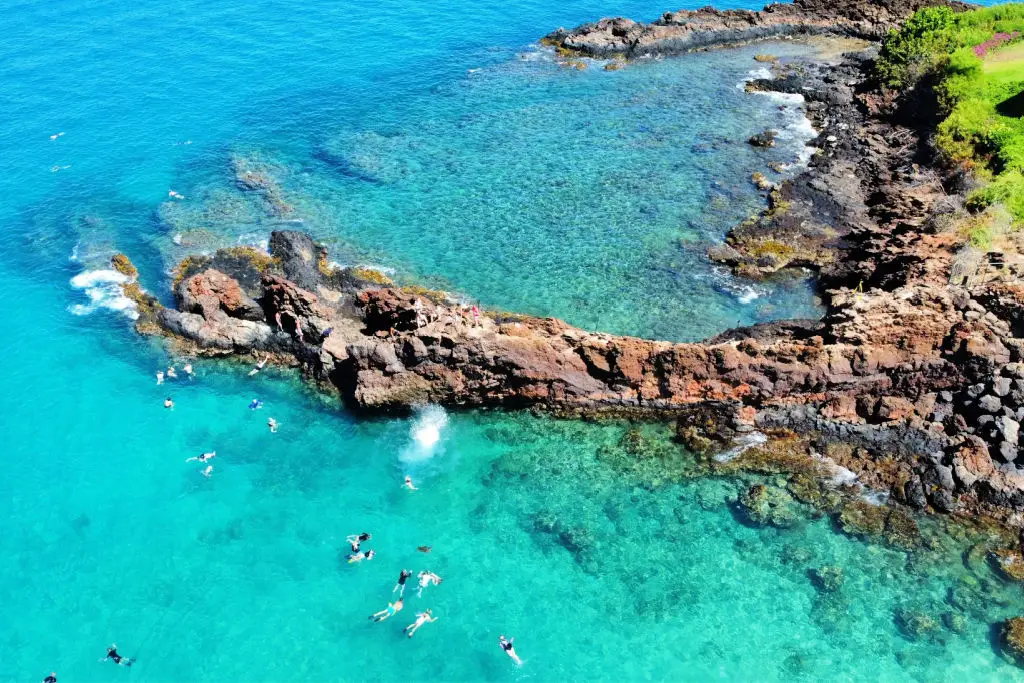
Located on the northern side of the rock, this area features varying depths and frequent sightings of eagle rays.
Observe the sandy channels between coral heads for resting marine life.
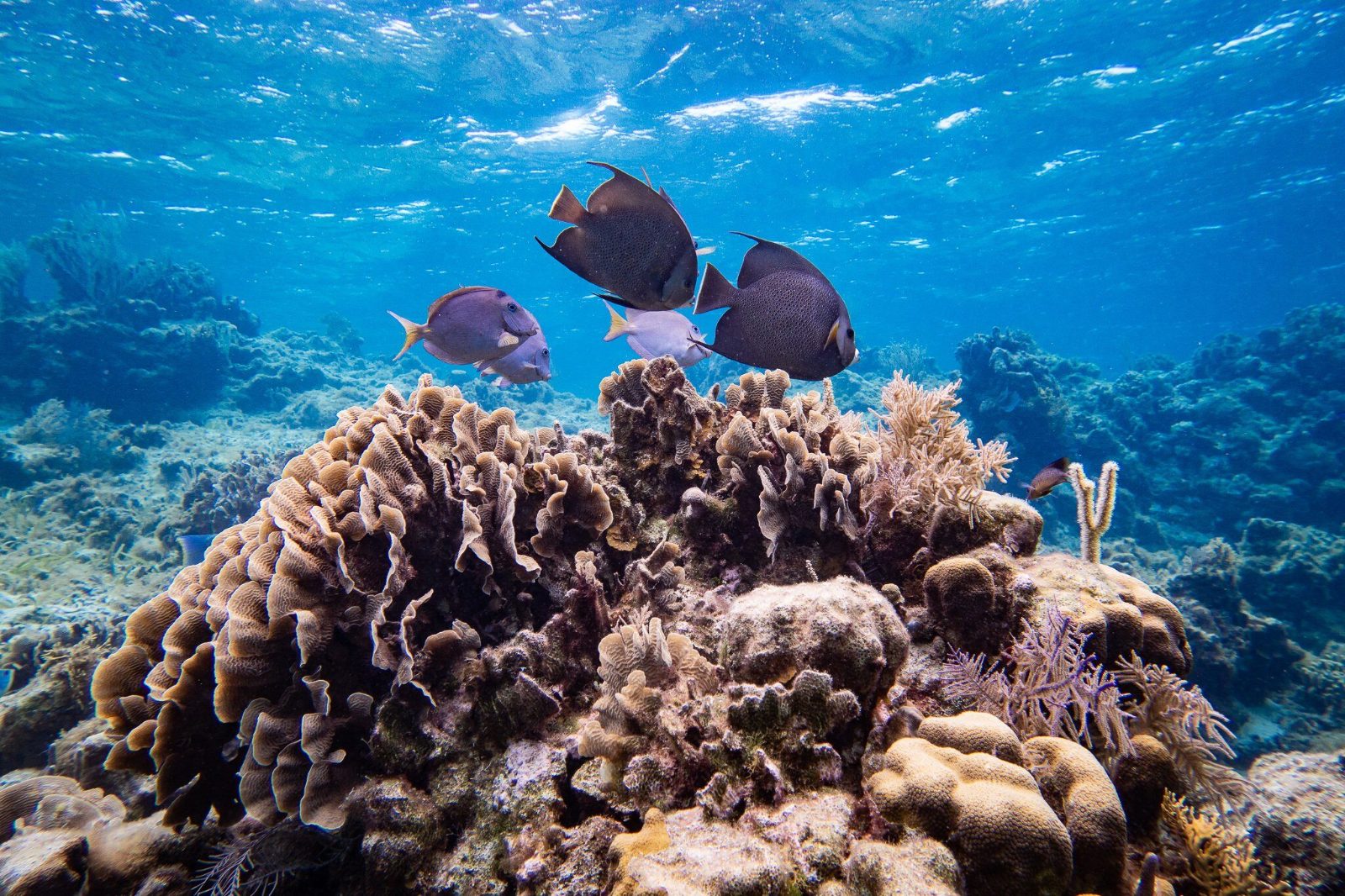
The shallow areas surrounding the base of the rock offer calm water for observing colorful reef ecosystem dynamics.
Use a floatation device to maintain position while viewing the coral.
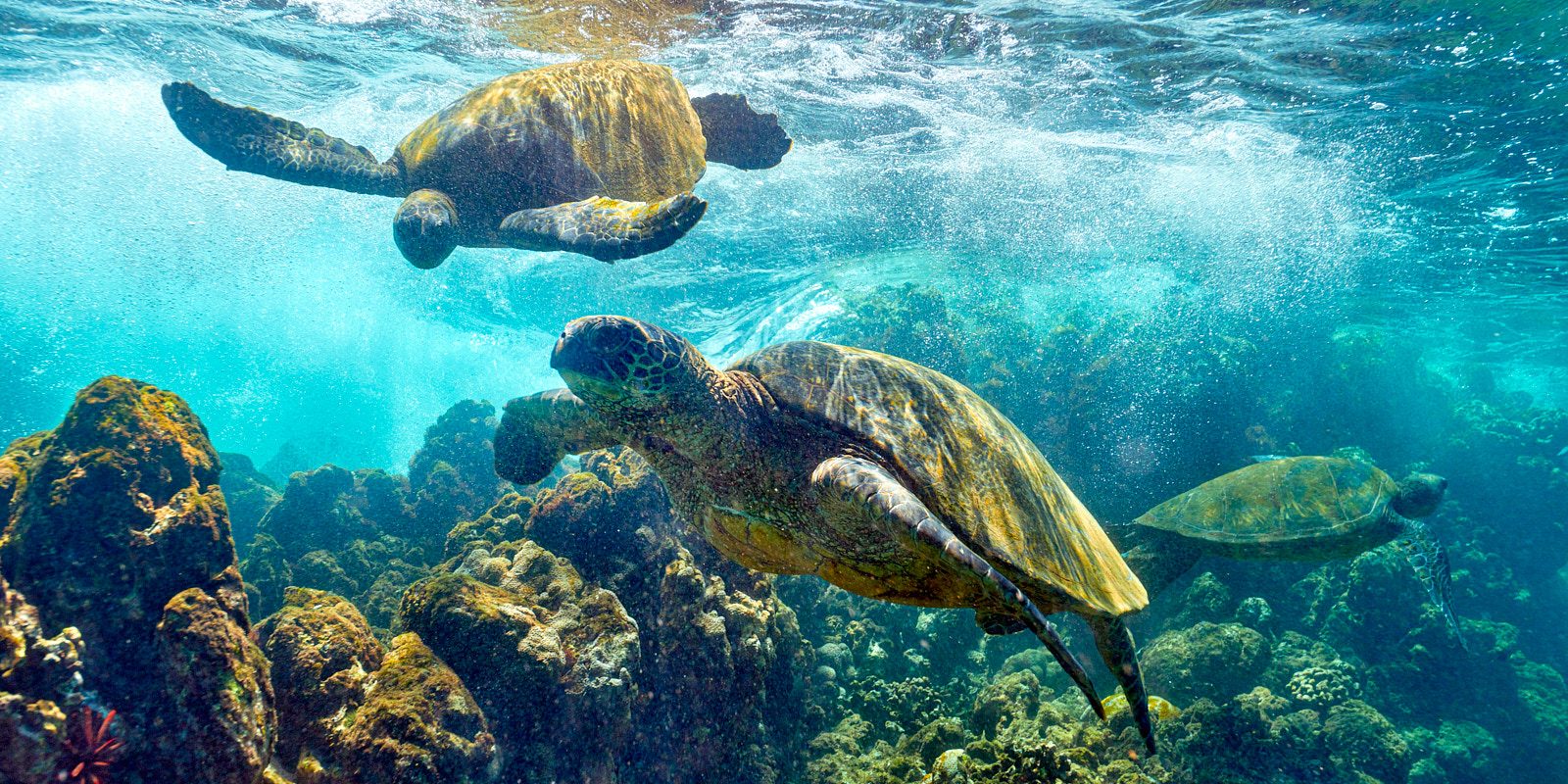
The sandy patches near the base of the rock are common resting grounds for Hawaiian green sea turtles.
Keep a respectful distance to allow turtles to surface for air.
Ka'anapali's calm reputation can lull snorkelers into complacency. Avoid these safety missteps to protect yourself in the water.
Ignoring lifeguard flags and entering during high surf
Red flags signal dangerous conditions—rip currents and powerful shore breaks make snorkeling unsafe. Wait for calmer seas or choose a protected cove instead.
Swimming out too far from shore without assessing current strength
Start close to the beach and test the water for pull before venturing deeper. If you feel a current dragging you seaward, swim parallel to shore until free of it.
Snorkeling alone without a buddy or flotation device
Always bring a partner who can assist if you tire or cramp. A brightly colored flotation vest keeps you visible to boats and conserves energy.
Entering unfamiliar reef channels without local knowledge of surge patterns
Channels between coral heads can funnel surge and create unexpected turbulence. Ask lifeguards which zones are safest for your skill level before entering.
Underestimating afternoon wind chop and reduced visibility
Morning hours before 10:30 offer the calmest surface and clearest water. Afternoon trade winds stir up sediment and make surface conditions rougher.
Ka'anapali Beach provides public access to the shoreline 24 hours a day, seven days a week. Visitors may access the beach at any time.
Access to Ka'anapali Beach is entirely free for all visitors. There are no entrance fees required to enter this public beach area.
Verdict: A typical adult pays 0 USD to access the beach, as there are no admission costs associated with visiting Ka'anapali.
Ka'anapali Beach is located at 2605 Kaanapali Parkway, Lahaina, HI 96761. Visitors typically access the shore via designated public beach access paths situated near major resort properties.
Follow Honoapiilani Highway (HI-30) to Kaanapali Parkway
Maui Bus Route 28 (Ka'anapali Islander) to Whalers Village stop
Walk from Whalers Village or public parking areas via marked beach access paths
Public parking is available at the Whalers Village shopping center and designated beach access lots; arrive within the 07:00–10:30 window to secure parking and find optimal snorkeling conditions.
Everything you need to know about safest snorkeling in maui
Ka'anapali Beach is frequently cited as providing some of the safest snorkeling in maui due to its gentle entry points and protected coves near Black Rock. Beginners often find the calm conditions here ideal for observing local marine life like sea turtles and tropical fish.
The best arrival window is 07:00–10:30, as mornings offer the calmest water and best visibility before afternoon winds pick up. Visiting during this window helps you avoid the larger afternoon crowds and potentially choppier ocean conditions.
There is no cost to access the beach, as it remains a public space with an entrance fee of 0 USD. You can enjoy the shoreline and water activities without purchasing an admission ticket.
Yes, the area is popular for families, provided that children remain in shallow, supervised areas near the shore. Always ensure young swimmers wear appropriate floatation devices while enjoying what many consider the safest snorkeling in maui.
A common mistake is venturing too far from the shore or ignoring ocean safety signs near the volcanic rock formations. Always monitor the surf forecast and ocean conditions, as currents can change quickly even when seeking the safest snorkeling in maui.
The beach is located at 2605 Kaanapali Parkway, Lahaina, HI 96761, and is accessible to the public daily. You can find parking in the nearby resort areas and follow the designated beach access paths to reach the sand.